
HopChat: chat with people around you, without the internet
Our free messaging app for iPhone and Android. Messages travel from phone to phone: no internet, no data plan, no account.
Discover HopChat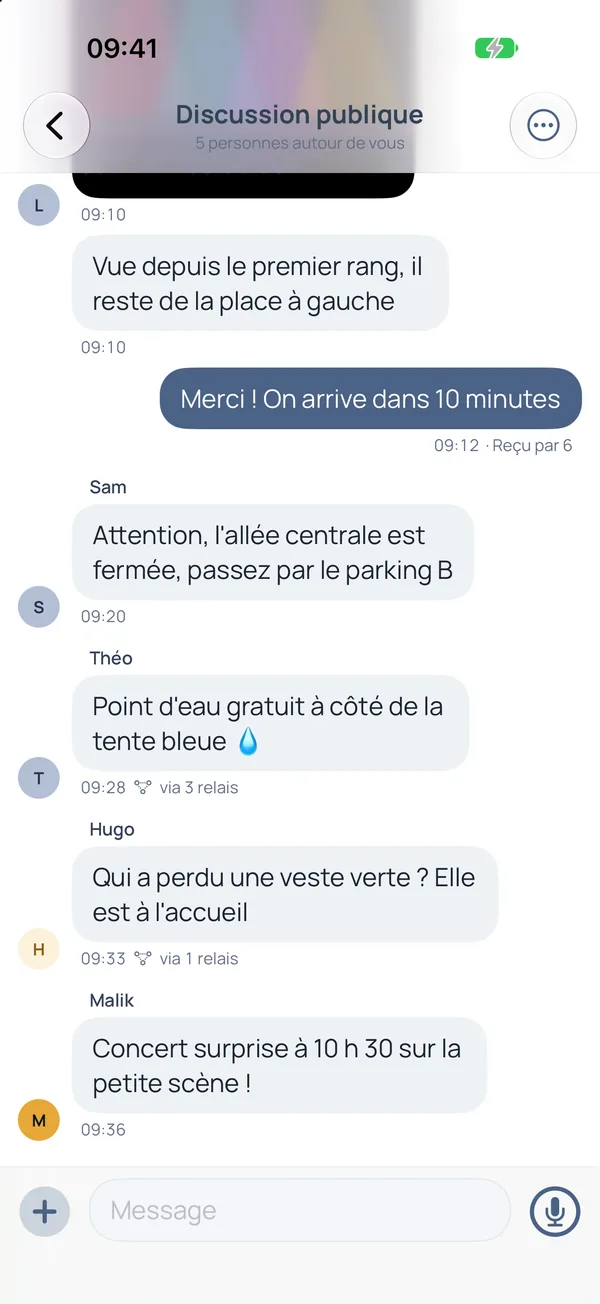
Device-to-device sharing technology
Hopcast is a wireless technology that moves content directly from one device to another, without going through the internet or the mobile network.
How it works
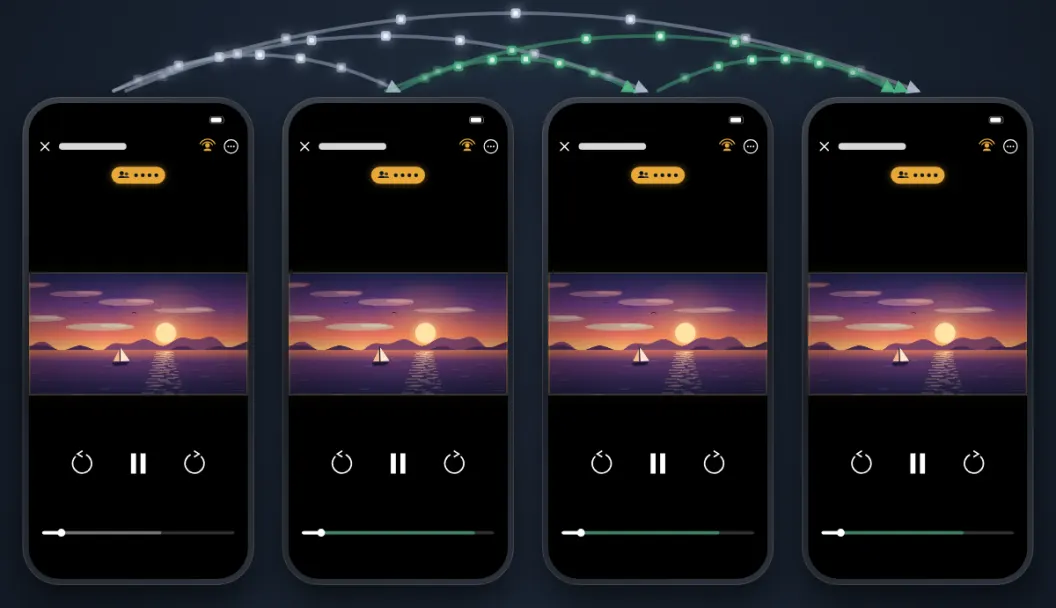
Content only needs to arrive once. After that, it travels from phone to phone.
One person downloads the video, the course or the music, or already has it on their phone.
Phones close by that use the app discover each other automatically, with nothing to set up.
It travels encrypted, directly between phones, without the internet or the mobile network. Each phone that has it can pass it on.
Neighbours receive the content without using any data. Rights are preserved: each device needs its own licence.
The cost of data
Watching a video, following an online course or listening to music quickly eats up a data plan. Where data is expensive, many people simply go without. Hopcast changes the equation: once one person has the content, everyone around can enjoy it.
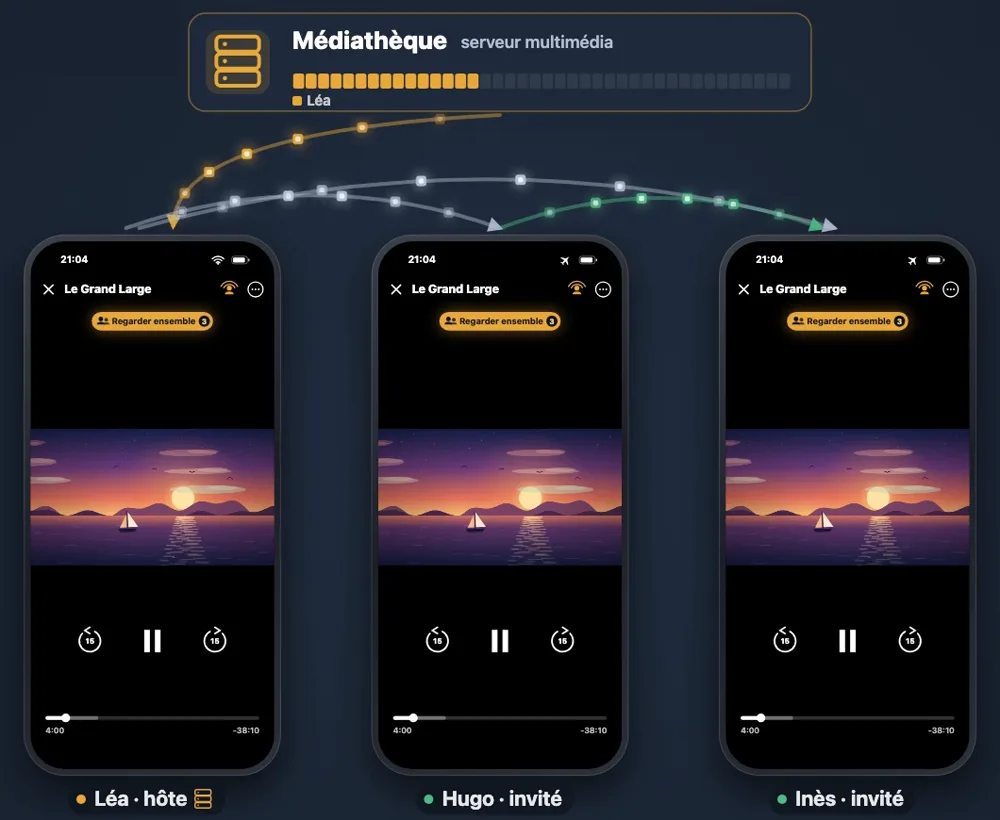
The content is downloaded once. Nearby devices receive it device to device, for free, without using any data.
A programme on a single phone is shared with the phones around it. Playback stays in sync, and everyone picks their own language and subtitles.
Photos, videos and files: apps built with Hopcast send them straight to people nearby, on iPhone and Android alike.
Use cases
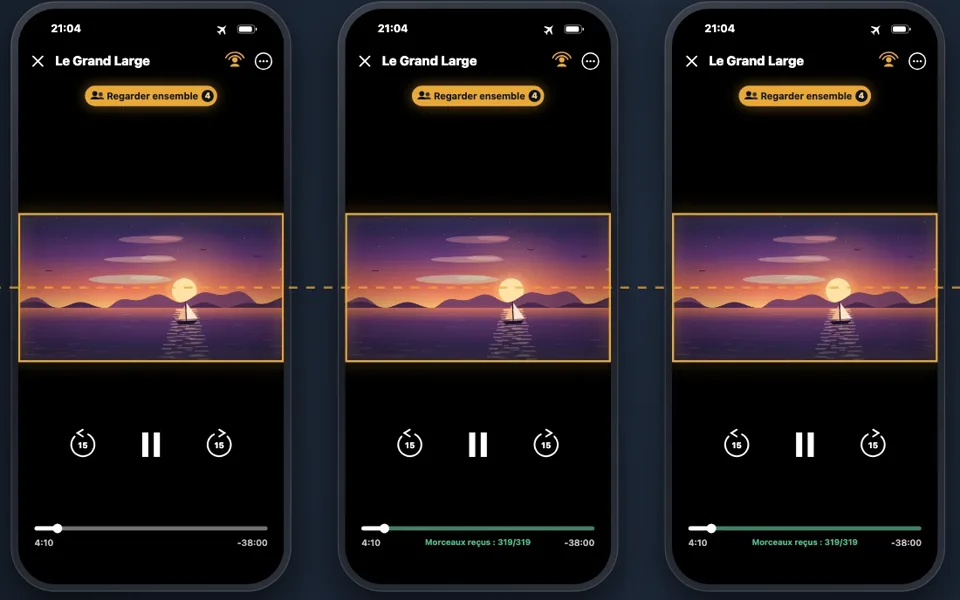
With family, with friends, on a bus or a train: a film on one phone, watched at the same time on the phones next to it.
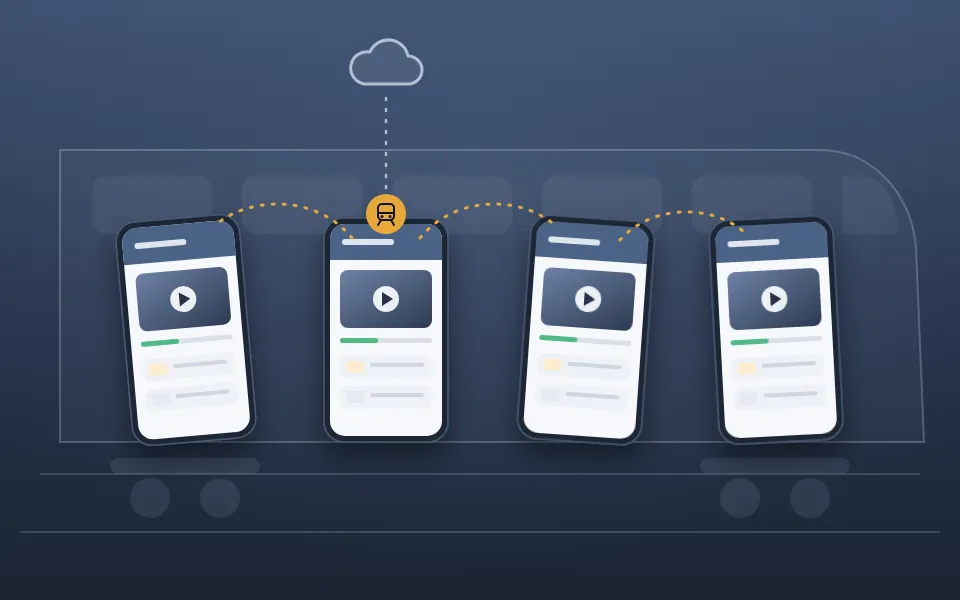
On trains, planes and buses, a popular video comes down from the network once per carriage; other travellers get it from a phone nearby. It keeps playing in tunnels and eases the load on the on-board Wi‑Fi.
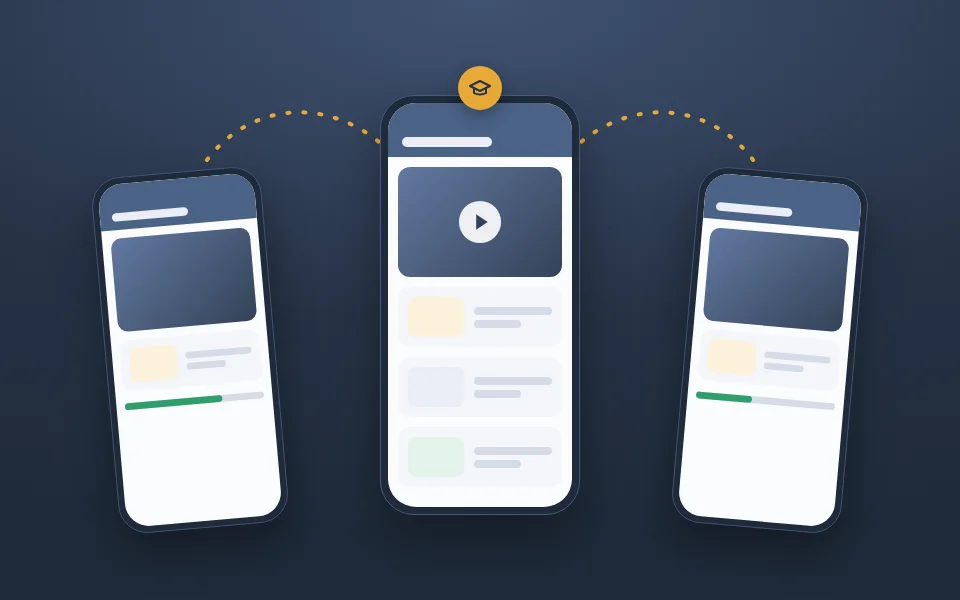
Video courses and learning resources move between the phones of a campus or a class. Piloted at Cheikh Anta Diop University in Dakar.
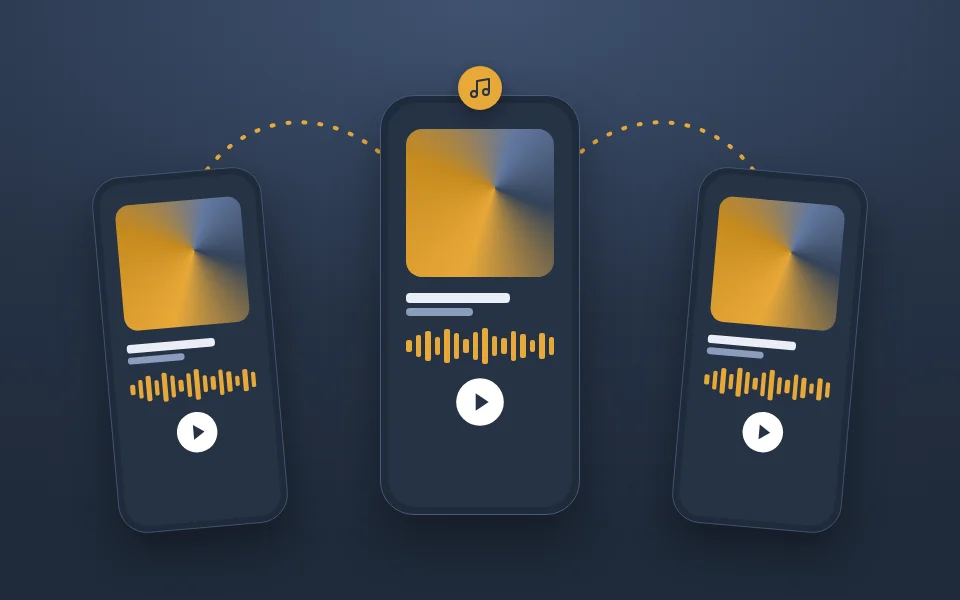
Music and video platforms reach the people that the price of data kept away. Piloted with Waw Muzik in Côte d’Ivoire.
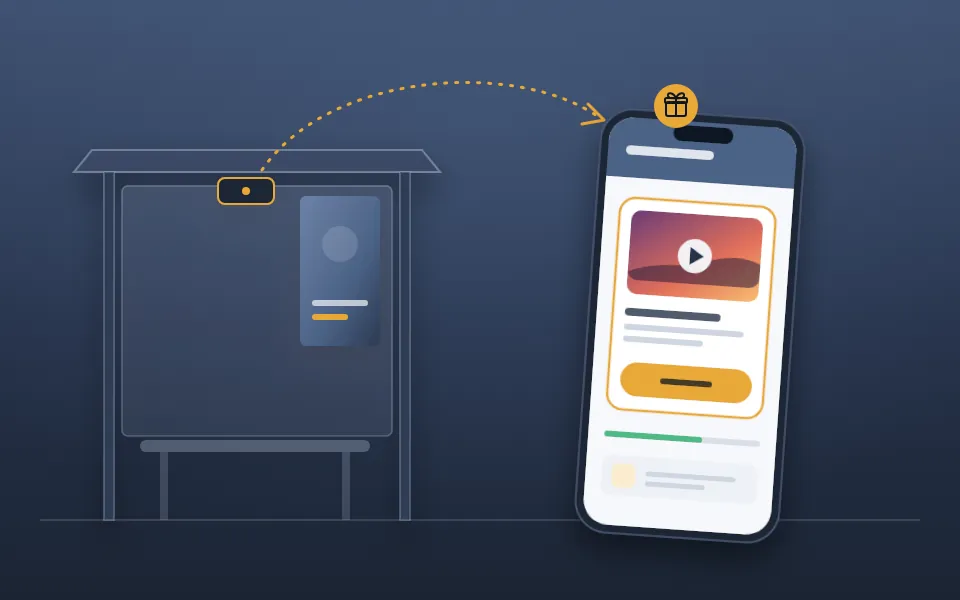
A brand offers waiting passengers an episode of a series, sent from the bus shelter straight into the publisher’s app, without using their mobile data. Designed first for regions where data is expensive.
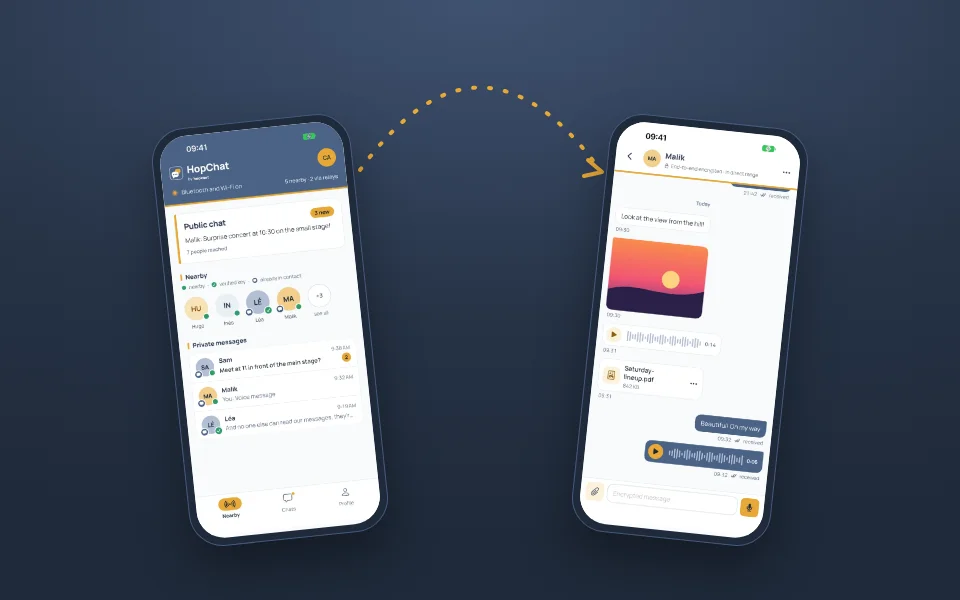
Messages, photos and files pass between people close by, even without the internet. That is what our HopChat app does.
The technology
Content travels encrypted, and each device needs its own licence to play it.
Sharing works offline, between devices that are close to each other.
Transfers are targeted: each device gets what it needs, without flooding the neighbourhood.
Hopcast fits into iOS and Android apps, and the two talk to each other.
Our products
Our free messaging app for iPhone and Android. Messages travel from phone to phone: no internet, no data plan, no account.
Discover HopChat
Developers can bring device-to-device sharing to their iOS, Android and Flutter apps.
The team
Hopcast comes from research. One of its co-founders, Farid Benbadis, holds a PhD in networking and spent more than fifteen years on mobile networks and content delivery at Thales and Orange. He is a co-inventor of the device-to-device technology Hopcast is built on.
The team came together around one observation: in many regions, mobile data costs too much for everyone to access streaming, online learning or digital content. Our goal has not changed since: so that the internet is not a privilege.
The technology was developed in partnership with CNRS, Sorbonne Université and Thales, with the support of Agoranov, Bpifrance and the European Union (H2020 programmes ASSIST-IoT and Beyond 5G), then tested in the field in Senegal and Côte d’Ivoire.

Farid Benbadis
Co-founder, CEO & CTO
PhD in networking. 15+ years in mobile networks and content delivery at Thales and Orange.

Giovanni Altamura
COO
PhD in microelectronics, MBA (LSE). Innovation, partnerships and intellectual property strategy.

Alice Ott-Buchs
Community manager
Master’s in event management (IAE Savoie Mont Blanc). Communication and community.







Demo
Streaming platform, education, messaging, events: we will show you what Hopcast can do for your users.